
Is it just me, or has everything gone to hell? It began with the endless, uncontrolled data collection and monitoring by social platforms and phone apps. Most everyday users shrugged it off and said, “You’re being paranoid,” or “They already have everything anyway, so what does it matter?” Then the government stepped in and pushed the problem further. Privacy and security advocates warned this would happen, and sure enough, law‑enforcement agencies found ways to use data from private companies without traditional warrants. If police want to learn everything about you, they can often skip due process and simply purchase it from a data broker. That bypass of buying location or other personal data instead of obtaining a court order, has been documented in multiple investigations.
Then came the fear argument: we must stop terrorists, murderers, and rapists, so we need back doors. Back doors into phones, operating systems, and any electronic device, “for your safety.” Privacy and security experts warned again that back doors are not just for the so‑called good guys. The consequences were predictable: data breaches happen every day, exposing Social Security numbers, names, birthdays, bank accounts, and intimate personal details that are then sold on black markets. Recent large incidents and ongoing breaches show how fragile the ecosystem is and how quickly personal data can be weaponized.
The rise of data brokers made things worse. It wasn’t enough to collect and sell stolen data; now companies compile and monetize comprehensive dossiers on ordinary people. Want to stalk someone? Pay a fee and a broker will give you a person’s life history, addresses, moves, associates with often little to no oversight. Investigations have exposed how widely available and detailed these profiles can be.
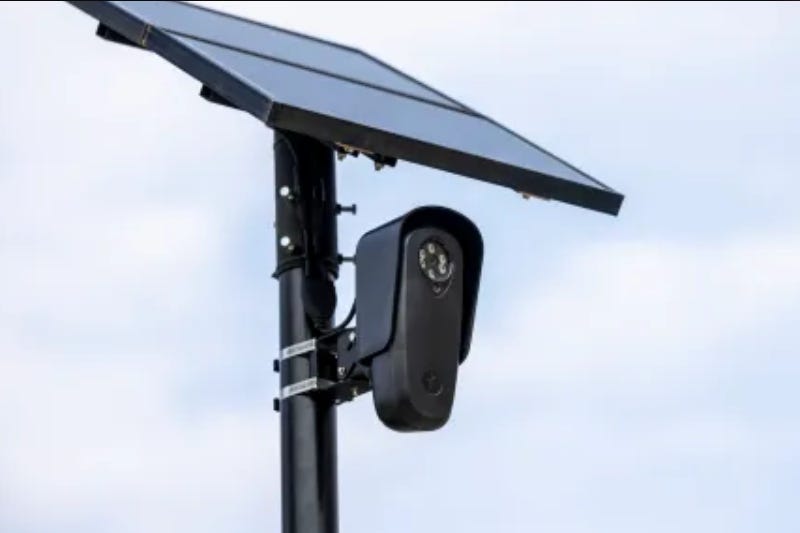
Still not satisfied, surveillance expanded into public spaces. We already had cameras on many corners and in stores; now we have AI‑powered license‑plate readers and facial‑recognition systems. Companies selling these tools argue they reduce crime, and some municipalities have adopted them. Then came proposals and deployments of drones to follow people suspected of crimes. This combination of constant cameras, automated identification, and aerial tracking…was ripe for abuse. The 24/7 news cycle and public fear often drown out civil‑liberties concerns, and many people trade privacy for a feeling of safety. The result has been real harm: false identifications, wrongful detentions, families held at gunpoint because officers misinterpreted automated data, and documented cases of officers using surveillance tools to stalk former partners.
The latest escalation is political: restrictions on press access and the weaponization of information channels. When state actors limit which news organizations can cover official events, it should alarm everyone, yet many shrug because the current administration’s policies seem to favor them or their beliefs. That’s the danger: presidencies and administrations change, and tools that feel protective under one government can be turned against dissenting beliefs under the next. You think a specific news is fake, but the next administration will think your favorite news is fake. This is not a partisan problem; it’s a structural one. Our forebears fought to escape precisely this kind of concentrated power and surveillance. But we, distracted by social media and a nonstop news cycle, have allowed our civic attention to fracture. We’re so angry all the time that we forget what we’re even angry about. We cut ties with friends and family for not agreeing exactly with us, and we throw around labels until the words lose meaning.
We’ve lost our path and our moral compass, in doing so we lost the desire to find a middle ground. It’s become “me, me, me”: what I want, what I believe, what I think is right. Meanwhile, governments and big tech exploit that distraction and division to disorient us into inaction. You might write an angry post online, but you won’t protest in the streets,because protesting itself is being constrained. Officers who should not be policing speech are arresting people who speak out in public forums. Automated camera systems identify and track protesters so they can be targeted and removed. And now, with proposals for ID verification framed as “protecting children” or “preventing terrorism,” anonymity online is under threat too…so even the last refuge for dissent, anonymous speech on social platforms, could be closed off.
They’ve cornered the country: surveillance, data monetization, shrinking public space, and limits on anonymous speech. The only remaining check is the ballot box, but even voting is being strained, through disinformation, gerrymandering, and the overload of issues that exhaust civic energy. They’ve overburdened you with so many things to fear and care about that you no longer know where to direct your anger, if you have any energy left to direct at all.
It’s time to stop the name‑calling and the cult‑like, all‑or‑nothing political behavior we’ve developed. Our rights and freedoms are being stripped under both parties, and every administration change seems to make things worse. We’re approaching a point where recourse will be limited, if we keep viewing everything as black and white and refuse to seek middle ground, that unreasonableness will be used to deliver the final blow to our democracy. It’s almost over if we don’t act.
You didn’t listen before. Will you listen now?